Recallbase / Blog / Context window
Why a bigger context window is not a memory
Every new model generation brings a bigger context window – and the hope that the memory problem is solved. It isn't. Here's why "load more in" is the wrong path.
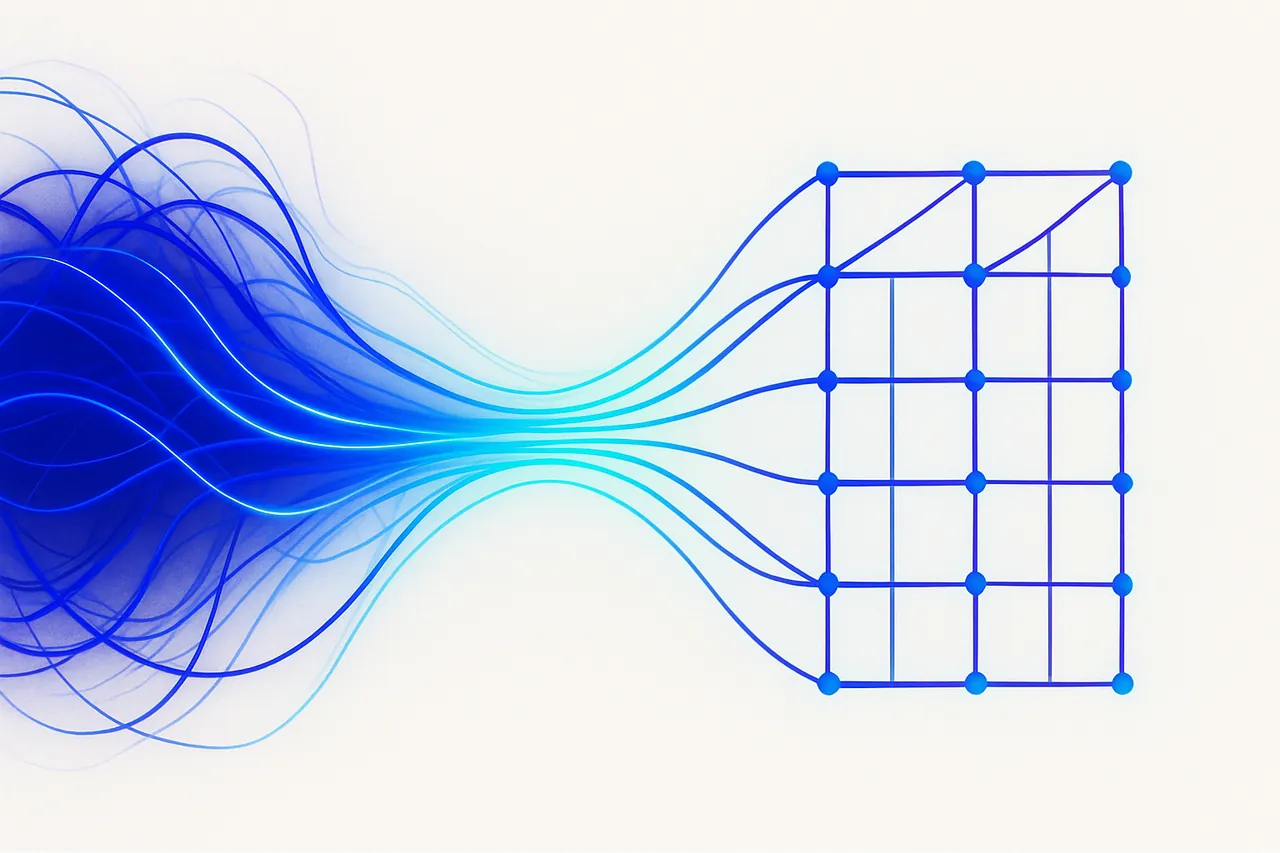
More context is not more recall
A large context window is short-term memory: it holds what's in the session now. Once the session ends or the window overflows, it's gone. Persistent memory, by contrast, outlives sessions, machines and team members.
Three reasons "load everything in" fails
- Cost. Every token in context is paid for – every session, every time. Dragging hundreds of thousands of tokens of history along is expensive and slow.
- Degradation. Models follow long, stuffed contexts less well. Relevant details get lost in the noise – the "lost in the middle" problem.
- Findability. Raw transcript is not knowledge. What matters are distilled insights you can retrieve on purpose.
The better way: small and curated
On start, Recallbase doesn't load everything – it loads the right thing: distilled summaries, confirmed insights and project-relevant knowledge, hard-capped. The agent fetches details on demand via semantic search. Context stays lean, answer quality stays high, and the bill stays low.
A bigger window helps – but it doesn't replace a memory, any more than a bigger desk replaces an archive.
Small context, big memory
Start for free, no credit card. In two minutes your agent remembers every session.
Start for free